
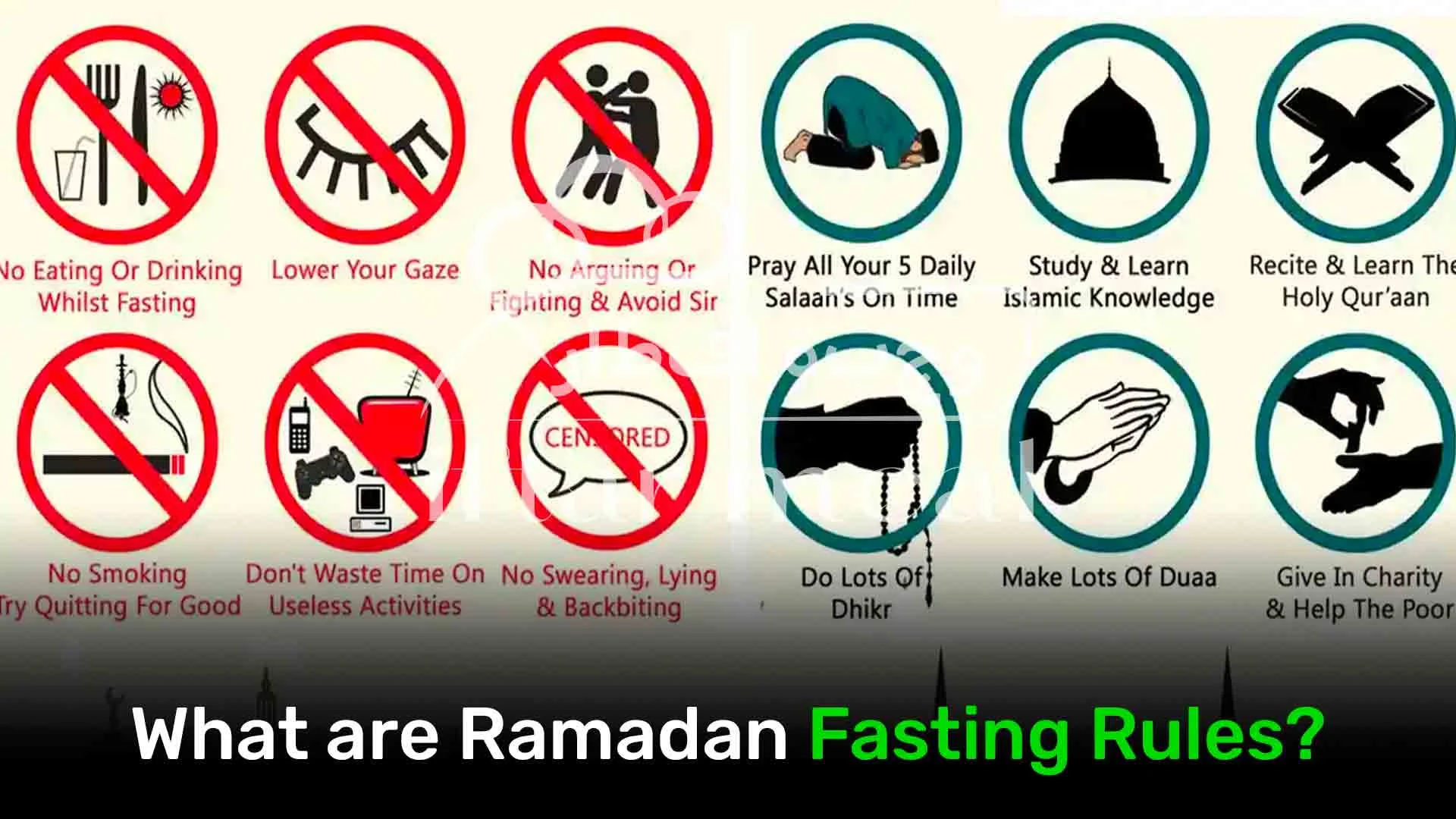
Ramadan fasting rules establish a solid foundation on how Muslims across the world observe the holy month. Ramadan is a holiest time that is dedicated to spiritual growth, self-discipline, charity and worship. Throughout this month, Muslims all over the world follow specific rules and guidelines that drive their daily routine, behavior and eating habits from dawn till sunset.
Ramadan is Month of Fasting
Ramadan is the most significant month on the Islamic calendar when Muslims observe fasting. This time reminds us about the time of revelation of the Holy Quran to Prophet Muhammad, PBUH. Fasting becomes an act of devotion that helps the true believers of Islam to strengthen their patience, faith, gratitude and empathy for the needy.
Why Muslims Fast From Dawn till the Sunset?
Fasting is observed as an act of obedience to Allah and a way to practice self-control to cleanse the soul. Ramadan and fasting go hand in hand, that symbolizes a strong level of self-discipline. Fasting lasts from dawn till sunset without drink, food or other acts that invalidate fasting. Muslims break their fast with the help of nourishing and well-balanced Ramadan iftar meals to restore their energy after a long day of fasting.
Is Fasting Hard During Ramadan?
Fasting can be challenging especially during working or long summer days. However, the spiritual rewards and a strong sense of control make fasting manageable. With the passage of time, the body adapts and fasting becomes easier and meaningful rather than a hardship.
Key Ramadan Fasting Guidelines
The key rules of Ramadan define who must fast and who is exempted. Adults who are physically healthy are required to fast, while children pregnant women, nursing mothers, travelers and sick are exempted as per Islamic guidelines. Ramadan rules ensure the fasting remains a valuable act of faith and mercy, not difficulty.
Daily Code of Conduct and Restrictions
In Ramadan, fasting extends beyond just avoiding food and drink. Ramadan restrictions include refraining from intimate relations during fasting hours, smoking, and negative behaviors like anger, backbiting and gossip. These ethical aspects aim to strengthen faith and good behavior.
Fasting Timing and Duration
Eating is allowed before dawn at suhoor and after Iftar at sunset. The key Ramadan fasting rules time depend on your local Ramadan calendar and prayer schedule. However, Ramadan fasting rules time 2026 will vary by your specific region, typically based on moon sighing.
Important Rules and Key Considerations
The special Ramadan rules for females mainly address pregnancy, mensuration and breastfeeding to make up for their missed fasts later. However, Ramadan rules for unmarried people focus on modest behavior and avoiding physical intimacy during fasting hours. These crucial aspects are a part of specific guidelines and rules of Ramadan for non Muslims, who are obliged to respect the key fasting practices in the Muslim majority areas.
What is the Duration of Ramadan?
Ramadan typically lasts for 29 or 30 days depending on the sighting of the moon. The Ramadan fasting times and Ramadan fasting schedule is announced daily in the mosques and online.
What is the Religious Context of Ramadan?
Ramadan fasting in Arabic means “Sawm” , which means abstinence. Fasting is about spiritual growth, self-discipline and compassion. Knowing what are the rules of fasting during Ramadan help Muslims around the world to observe this month with ease and maintain peace.
Conclusion
Ramadan fasting rules offer a clear framework of do’s and don’ts in the blessed month that reflect a deep sense of devotion and compassion and self-discipline. By following the Ramadan rules fasting, Muslims experience a spiritual renewal while respecting the key requirements of Ramadan in their day-to-day lives. Observing fasting with clear understanding and sincerity makes Ramadan truly a meaningful and transformative time of the year.
Frequently Asked Questions
Q1. What are the rules of fasting in Ramadan?
Fasting requires abstaining from eating food, drinking and invalid actions from dawn till sunset.
Q2. What time can you eat during Ramadan 2026 ?
You can eat at Suhoor before dawn and at iftar after sunset.
Q3. Who is exempt from fasting?
The sick, children, travelers, pregnant women and nursing females are exempt from fasting.
Q3. Can non-Muslims eat in public during Ramadan?
Public eating is discouraged during the fasting hours in Muslim countries.
Q4. How long is Ramadan fasting?
Ramadan typically lasts for 29 or 30 days depending on the moon sighting.