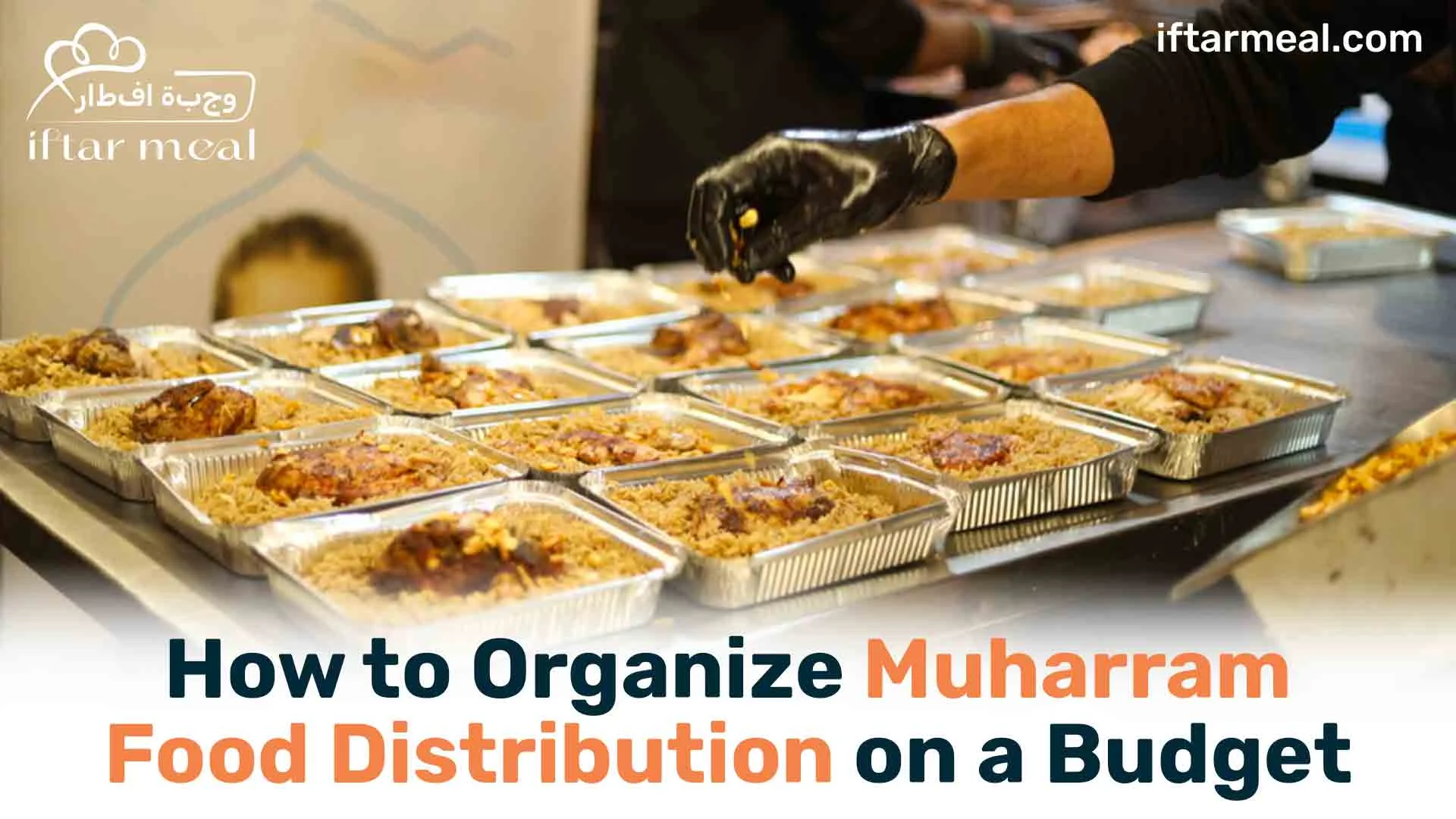
Thousands of people share meals in Dubai’ busy street, no one asks for a receipt, yet everyone is left full. Providing meals among large crowds during the sacred month of Muharram is challenging and a logistical act, where you are balancing your tight budget against strict food safety laws and feeding massive crowds effectively. Whether you are distributing Moharram meals among a few individuals or managing a large-scale meal distribution campaign, careful planning allows you to feed a large group without compromising on food safety and overspending. Here is a simple guide on how to organize Muharram food distribution without compromising on quality, dignity and care.
Budget-Friendly Meal Options to Cater Masses During Muharram
The key to managing meals distribution economically starts with selecting the right menu. Fancy meal items or multiple meals can deplete funds quickly. Consider traditional, fulfilling and one-pot meals that are easy to cook and are popular among masses.
Choose Low-Cost Dishes for Moharram Food Distribution
Here are a few cost-effective meal options for Muharram food distribution:
- Chicken Biryani Box
- Chicken Pulao Box
- Mutton Biryani Box
- Mutton Pulao Box
These dishes are incredibly economical because rice expands heavily when cooked. This can stretch your budget further.
Consider Budget Friendly Meal Offers: Many reliable meal partners like Iftar Meal in Dubai offer a wide range of cost-effective Muharram offers available on bulk meal ordering that decreases the costs per meal, perfect for large scale distribution.
Choose Seasonal Meals: Choose recipes that depend on easily available seasonal ingredients. Utilizing wholesale markets to source bulk rice, meat and onions can drastically lower the per meal costs.
Following Hygiene Protocols to Ensure Food Safety
Feeding large communities during Muharram, carries a massive responsibility. Contamination and poisoning can run this valuable act into a public health issue.
- Temperature Control Management: Few meals spoil incredibly fast in warm water. Keep the food piping hot until the moment of distribution. Use clean and filtered rice from trusted commercial suppliers.
- Maintain Dedicated Crowd Lines: While distributing Muharram meals, create distinct lines for men, women and children. This structure ensures needy individuals are not pushed aside in a rush.
- Keep Cooking Spaces Hygienic: Cooking spaces must be kept well-maintained and free from dust, flies and high foot traffic. Ensure the meal handlers wash their hands before preparing bulk meals.
- Safe Packaging: If you are serving packaged meals, use biodegradable cardboard boxes or use aluminum foil wraps
- Token System: For large crowds, handing out paper tokens in advance can work better. One token is equal to one meal box. This step prevents people double-dipping and cutting lines, ensuring the food is shared fairly without running out fast.
- Set a Physical Barrier: Set up a solid built table or ropes to act as a physical barrier between your crowd and volunteers. This prevents people from crowding around meals which presents a major hurdle in mass meal distribution.
Taking Advantage of Wholesale Sourcing and Collective Meal Sponsorships
Don’t buy the meal ingredients directly from the retail grocery stores when you are planning to cater large crowds as they carry heavy markups that can drain your funds quickly.
- Consider Wholesale Markets: Visit to vegetables and grain wholesale hubs in the morning to secure best rates for oil, rice and meat.
- Invite Family Members to Sponsor Meals: Instead of taking full responsibility of finances, invite friends, family and neighbors to contribute. Some might prefer to finance while others may sponsor meals for distribution. Pooling resources help distribute the financial burden.
Muharram Meals Distribution: Key Checklist
- Make separate lines for male, female and children
- Ensure the presence of distribution table in front of each line
- Volunteers must be positioned at designated places to maintain proper spacing between lines
- A physical barrier must be set between crowd and meals
Conclusion
Organizing Muharram food distribution economically, doesn’t mean you have to compromise on food quality and safety. By selecting a one pot meal menu which is easy to distribute and consume, buying ingredients from wholesale markets and reinforcing food safety and hygiene practices can create a big difference. Additionally, maintaining well-managed lines of the crowd can help run a safe, orderly and impactful distribution of Muharram meals. However, the true success lies in the thoughtful planning to ensure every meal beneficiary is fed with care and dignity.
